


William Phelps Eno: He Taught Cities How to Move Safely
Long before modern highways, sensors, or connected cars, one determined New Yorker asked a simple question: What if streets followed rules? William Phelps Eno—often called the “Father of Traffic Safety”—spent his life answering it, shaping how the world still moves today.
Who Was William Phelps Eno?
Born in 1858, Eno was a businessman turned reformer who focused on the chaos of turn-of-the-century city streets. He studied how people, horses, and (later) automobiles interacted, and then translated those observations into practical rules and street designs. Remarkably, Eno never actually learned to drive, yet his ideas became the template for modern traffic control. (Wikipedia)Early “Firsts” That Stuck
Eno helped cities adopt foundational tools of movement and order. He wrote one of the first comprehensive city traffic codes (New York, 1903), and popularized designs and practices that became global standards—such as organized taxi stands, pedestrian safety islands, one-way streets, and the systematic use of traffic circles (rotaries). In New York, his rotary plan was put into operation at Columbus Circle (1905); similar one-direction traffic flow was later used at the Arc de Triomphe in Paris and at other complex intersections abroad.“We need a little order to keep the traffic moving.” — William P. Eno
How Eno Worked: From Observation to Code
Eno approached the street as a system. He observed conflict points (crossings, merges, bottlenecks), then proposed rules that clarified right-of-way, standardized movements, and separated people on foot from vehicle flows. He used plain language, consistent signage, and simple geometry—ideas that made his solutions easy for police to enforce and the public to understand. His books and pamphlets spread these practices from New York to London, Paris, and beyond, making “rules of the road” a transferable toolkit rather than local custom.From One Reformer to a Field: The Eno Foundation
In 1921, Eno endowed a permanent, non-partisan home for transportation ideas—the Eno Foundation (today the Eno Center for Transportation). Its mission: convene experts, publish best practices, and advance safer, more efficient movement of people and goods. That institutional legacy helped transform traffic control from ad hoc practice into an evolving profession.Why Eno Still Matters to Traffic Safety
- Clarity saves lives: Codified right-of-way rules and predictable lane behavior reduce crashes and confusion.
- Design reinforces behavior: Circles, one-way grids, and pedestrian refuges physically guide safer movements.
- Standards scale: Shared terminology and signs help ideas travel from one city to the next.
- Institutions endure: A standing forum (like the Eno Center) keeps improving policy long after one person’s career.
Quick Timeline
| 1903 | Publishes/implements a city traffic code in New York; begins exporting traffic plans abroad. |
|---|---|
| 1905–1907 | Rotary plan applied at Columbus Circle (NYC), then around the Arc de Triomphe (Paris). |
| 1909–1929 | Publishes influential books on street traffic regulation and highway traffic control. |
| 1921 | Founds the Eno Foundation to advance road safety and transportation leadership. |
Takeaways for Modern Streets & Work Zones
Eno’s core lesson—match clear rules with intuitive design—underpins today’s best practices. Whether it’s a protected work zone with clear channelizing devices, or a city corridor using modern water-filled barriers for lane control, his ideas continue to influence modern safety standards. His legacy is not a single device, but a mindset: design for clarity, consistency, and human behavior.Learn more about Safety Vests, Road Flares, and Traffic Cones at TrafficSafetyStore.com – for all your traffic safety needs.
Stay Safe. Stay Compliant. Choose Traffic Safety Store.
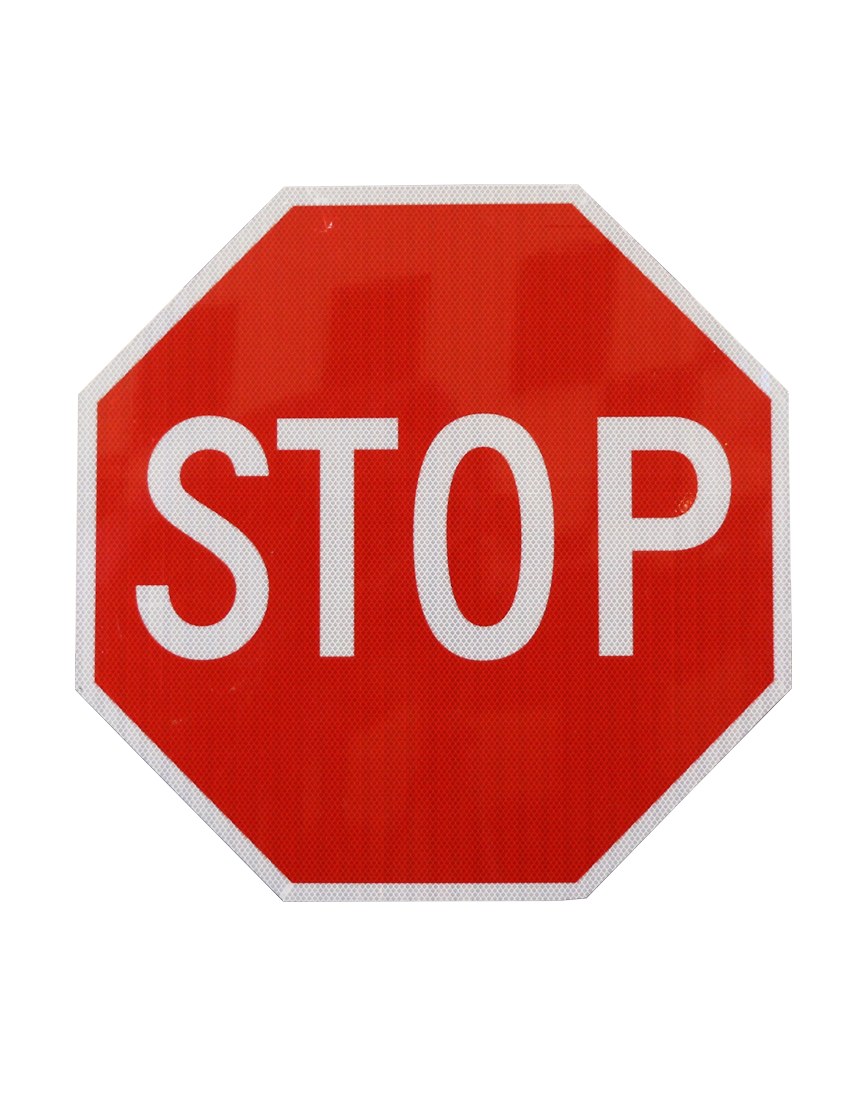
Stop Signs
Stop Signs
Quick Facts:
- High Intensity Prismatic Reflective sheeting
- Choose between Aluminum Composite Material (ACM) or 0.080" Gauge Aluminum
- 18", 24" & 30" ACM Signs are 3 Mil thick, 36" ACM Signs are 4 Mil
- All signs have pre-punched 3/8” mounting holes
- Meets MUTCD specifications
