


When the School Year Starts, Does Traffic Get Worse?
Short answer: yes—especially on weekday mornings. Here’s why it happens, what to expect, and how drivers, schools, and employers can prepare.Key takeaways
- School-related trips add a significant surge of vehicles to the morning peak, increasing queueing and travel times on common commute corridors.
- Pick-up/drop-off activity near campuses, frequent school-bus stops, and lower school-zone speed limits all reduce roadway throughput.
- The effect is most noticeable during the first few weeks after schools reopen each fall, and again after long breaks.
Why traffic gets worse when school starts
During summer, many families adjust schedules, take time off, or travel outside the traditional rush hours. When classes resume, several factors stack up at once:- More peak-hour trips: Families add school drop-offs to the commute, concentrating extra vehicle demand between roughly 7:00–9:00 a.m.
- School buses and stops: Buses make frequent stops, which briefly interrupt flow and create localized platoons of vehicles.
- Lower speeds in school zones: Posted reductions during arrival/dismissal hours (plus crossing-guard control) intentionally slow traffic for safety.
- New/young drivers: At the start of the year, more teen drivers return to the network, often during the same peak window.
How much worse is it?
Research using the National Household Travel Survey has found that, during the school year’s morning peak, school travel (parents driving children and teen drivers) accounts for a meaningful share of vehicle trips and miles. One peer-reviewed analysis found school travel represented about 10% of vehicle trips and 5% of vehicle miles traveled in the 7–9 a.m. period. While exact impacts vary by city and corridor, these numbers explain why the return to school noticeably tightens morning congestion each fall.Traffic is only part of the story: safety matters too
Back-to-school season also brings more pedestrians, cyclists, and school buses. National safety organizations emphasize extra caution around school zones and bus stops during arrival and dismissal windows. For drivers, that means slower speeds, wider following distances, and full stops for loading/unloading school buses—requirements that are designed to protect students but that also add delay to peak periods.What drivers, schools, and employers can do
For everyday drivers
- Build 10–15 minutes of buffer into morning departures for the first few weeks of school.
- Use live navigation to avoid active school-zone bottlenecks where possible.
- Slow down and be ready to stop near schools and at bus stops; never pass a stopped school bus loading/unloading students.
For schools & property managers
- Designate clearly signed, one-way drop-off loops with staff/volunteer marshals during peak minutes.
- Deploy highly visible cones, delineators, and temporary signage to guide queues, protect crosswalks, and prevent unsafe U-turns.
- Stagger bell times by grade level to spread demand and reduce curbside backups.
For employers
- Offer flexible or shifted start times for the first weeks of the school year to ease the a.m. peak.
- Encourage remote work or hybrid days on the heaviest back-to-school dates.
Seasonal patterns to expect
- Late August through September: The sharpest morning slowdowns as schools reopen.
- After long breaks: Smaller “mini-spikes” in congestion often appear after winter and spring vacations.
- Afternoons: Pick-up times concentrate traffic again (typically 2:30–4:30 p.m.), especially on collectors near schools.
How Traffic Safety Store can help
If you manage a campus, event, or nearby worksite, we stock the essentials to keep people moving safely during busy school-year peaks—traffic cones, delineator posts, temporary signage, speed bumps, and safety vests. Our team can help you configure a drop-off loop, mark crosswalk approaches, or stage temporary lane guidance for the first weeks of school. Browse traffic-control productsLearn more about Safety Vests, Road Flares, and Traffic Cones at TrafficSafetyStore.com – for all your traffic safety needs.
Stay Safe. Stay Compliant. Choose Traffic Safety Store.
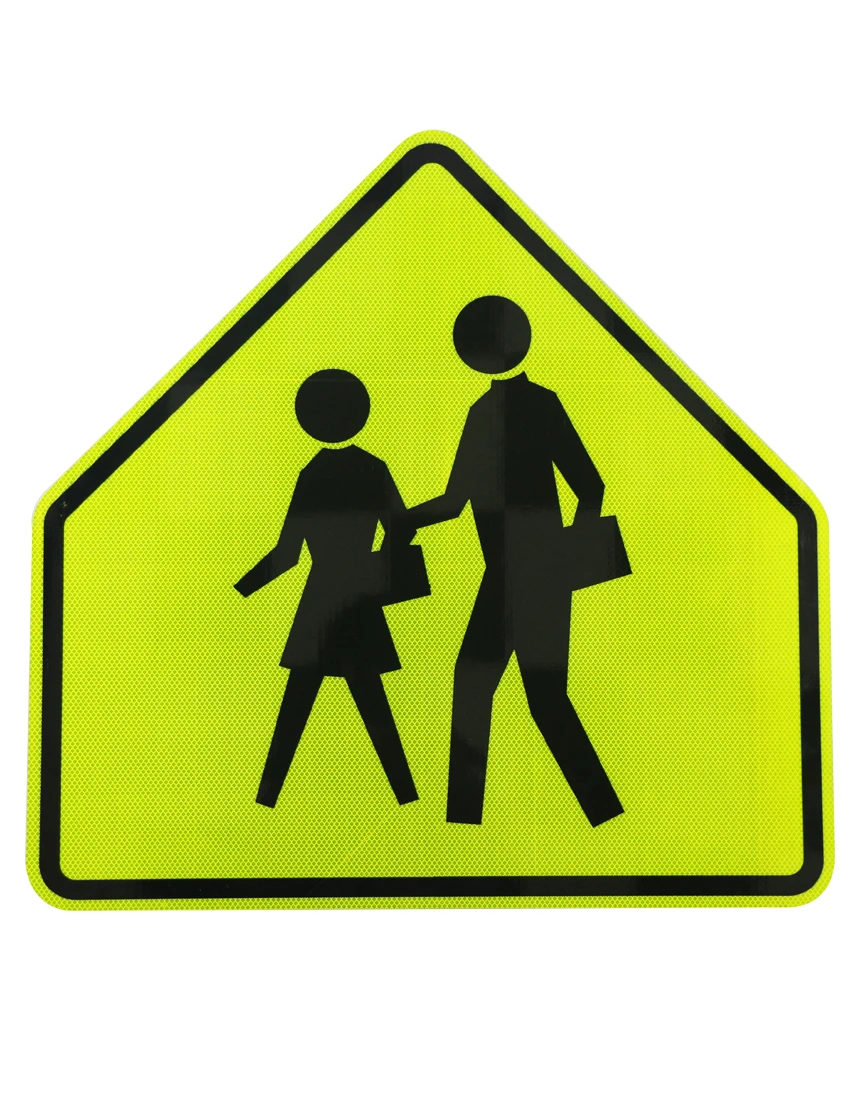
School Crossing Signs (S1-1)
School Crossing Signs (S1-1)
Quick Facts:
- Symbols of pedestrians without crosswalk lines
- Fluorscent Yellow Green Diamond Grade™ reflective
- Two sizes to choose from: 30" x 30" or 36" x 36"
- .080" Aluminum for long life (will not rust or crack)
- Pre-punched 3/8” mounting holes
- Meets MUTCD specifications

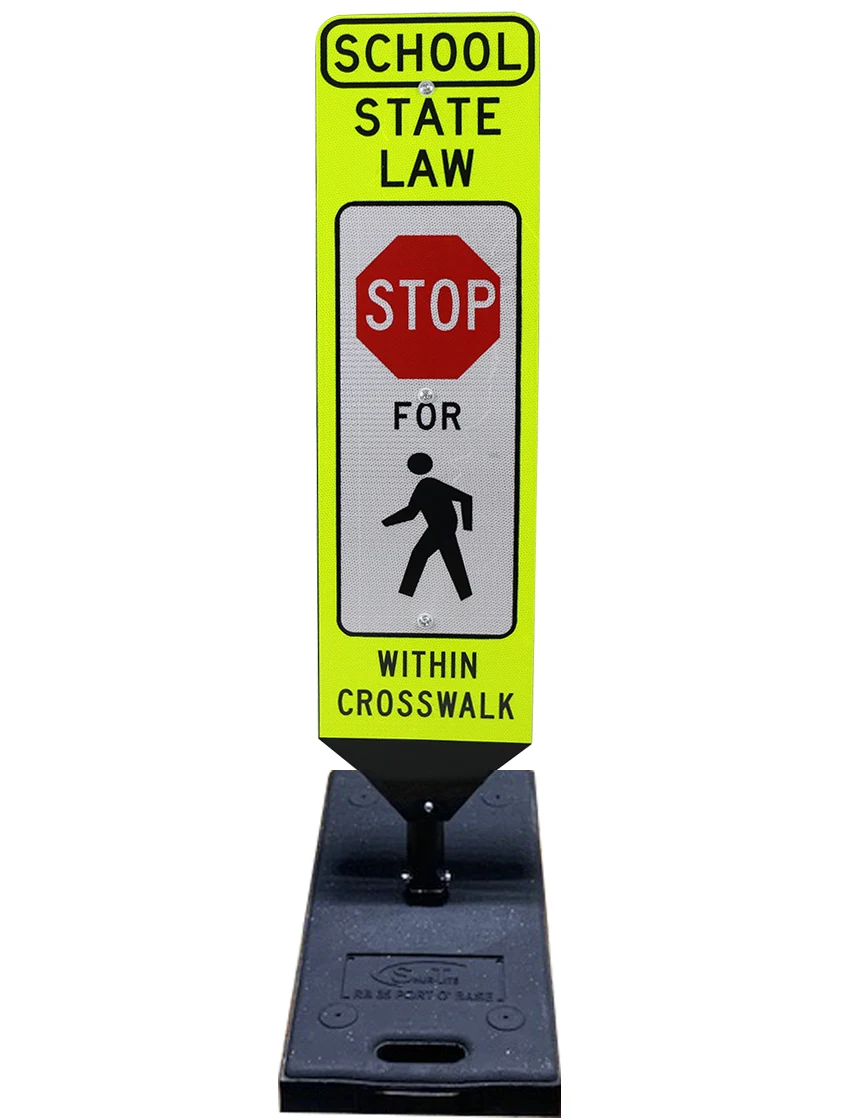
40" x 12" Shur-Tite Reboundable Crosswalk Sign
40" x 12" Shur-Tite Reboundable Crosswalk Sign
Quick Facts:
- Automatically pops back up if hit by vehicle
- Barricade is 48" Tall with two (2) 40" x 12" HI Reflective Panels (Double Sided)
- Available in STOP or YIELD
- Includes 35 lb. Rubber Base
- Meets MUTCD and state DOT regulations
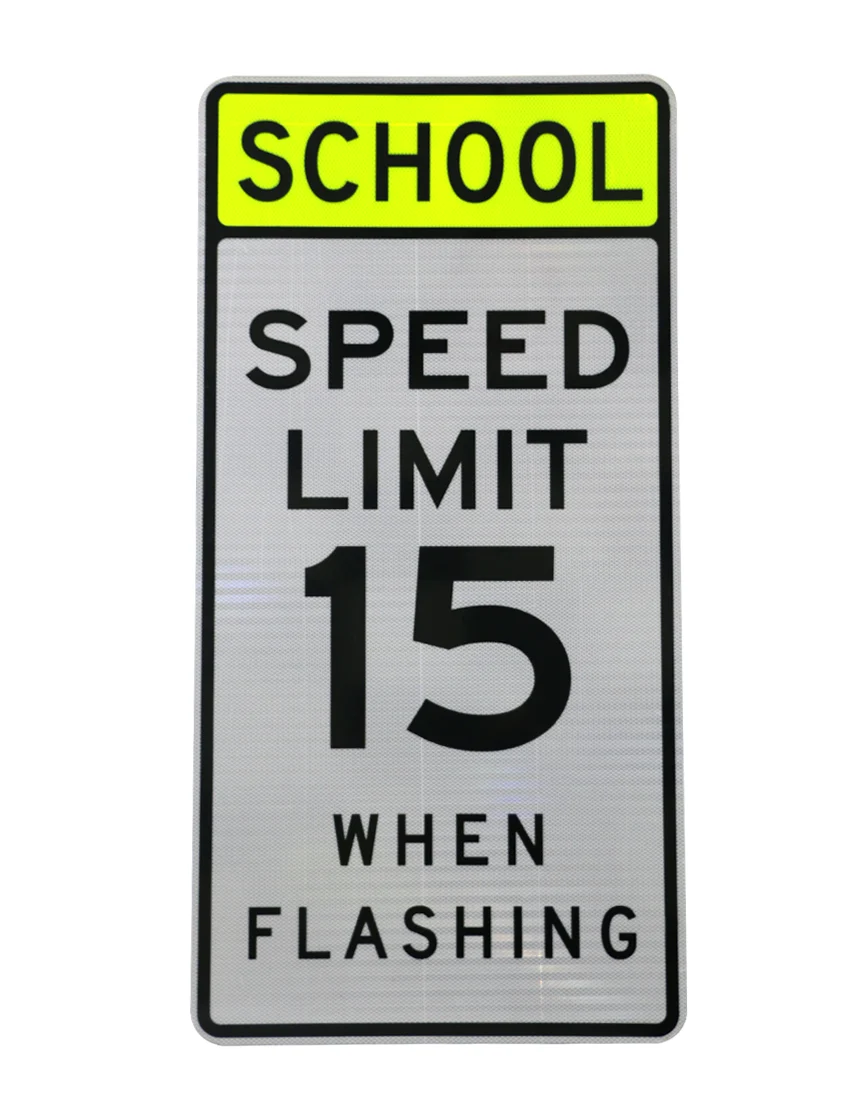
School Speed Limit 15 Signs (S5-1)
School Speed Limit 15 Signs (S5-1)
Quick Facts:
- 24" wide x 48" tall
- Fluorscent Yellow Green Diamond Grade™ reflective
- .080" Aluminum for long life (will not rust or crack)
- Pre-punched 3/8” mounting holes
- Meets MUTCD specifications