


Work Zone Device Comparison
Traffic Cones vs Traffic Drums: Which Should You Use and When?
Both are essential channelizing devices — but they’re designed for very different situations.
What traffic cones and drums have in common
Both cones and drums are considered channelizing devices. Their primary job is to guide drivers, pedestrians, and equipment safely through or around a work area. In general, both devices:- Provide visual guidance for lane shifts, tapers, and closures
- Use orange as the standard work-zone color
- Can be fitted with reflective collars for nighttime visibility
- Are commonly referenced in temporary traffic control layouts
Traffic cones: lightweight, flexible, and fast to deploy
Traffic cones are one of the most versatile traffic control devices available. They’re easy to transport, quick to deploy, and ideal for short-term or frequently changing conditions. Cones are commonly used for:- Short-duration work zones
- Mobile or moving operations
- Parking lots and low-speed roadways
- Temporary lane shifts and tapers
- Situations where crews need fast setup and removal
Why cones work well: They’re easy to stack, easy to move, and forgiving if struck by vehicles. For many jobs, cones offer the right balance of visibility and flexibility.
Traffic drums: high visibility and long-term presence
Traffic drums (sometimes called barrels) are designed to be seen — especially from a distance. Their larger size and multiple reflective bands make them stand out in complex or high-speed work zones. Drums are commonly used for:- High-speed roadways
- Long-term or semi-permanent work zones
- Major lane shifts and tapers
- Areas where maximum driver awareness is critical
- Projects where devices will remain in place for days or weeks
Why drums stand out: Their size, shape, and reflective surface command attention, which can be especially valuable at highway speeds or in visually complex environments.
Quick comparison: cones vs drums
- Visibility: Drums are more visible from farther away
- Stability: Drums are less likely to tip or move
- Speed of setup: Cones are faster to deploy and remove
- Storage & transport: Cones require less space
- Best use: Cones for short-term; drums for longer-term or higher-speed zones
So… which should you use?
In practice, many projects use both. Cones may be used for tapers and transitions, while drums are used through the main work area where sustained visibility is critical. The “right” choice usually depends on:- Traffic speed
- Duration of the work zone
- Exposure to wind or heavy traffic
- Available storage and transport space
- Project complexity
Note: Always verify applicable federal, state, and local requirements when selecting traffic control devices. Site conditions and jurisdictional standards may vary.
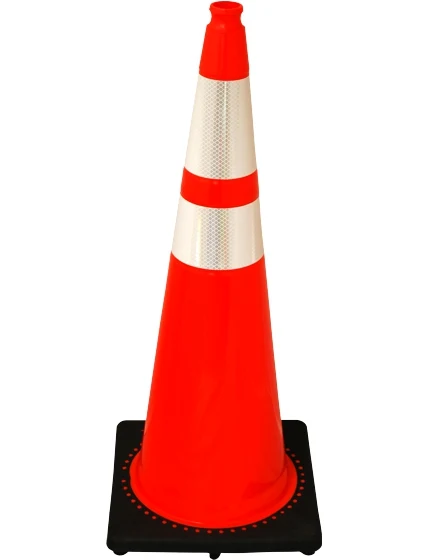
Orange 36" 10.0 Lb. Traffic Cone with Black Base
- 14" x 14" base
- Approx. 10.0 lbs. each
- Two 'recesses' molded into cone to protect reflective collars when stacked
- 36" tall, 14"x14" base, Bright Orange
- 10 lbs weight
- Safety Standards - MUTCD; NCHRP-350 crashworthy approval
- Free Shipping on orders of 385 cones or more
- call for details 800-429-9030
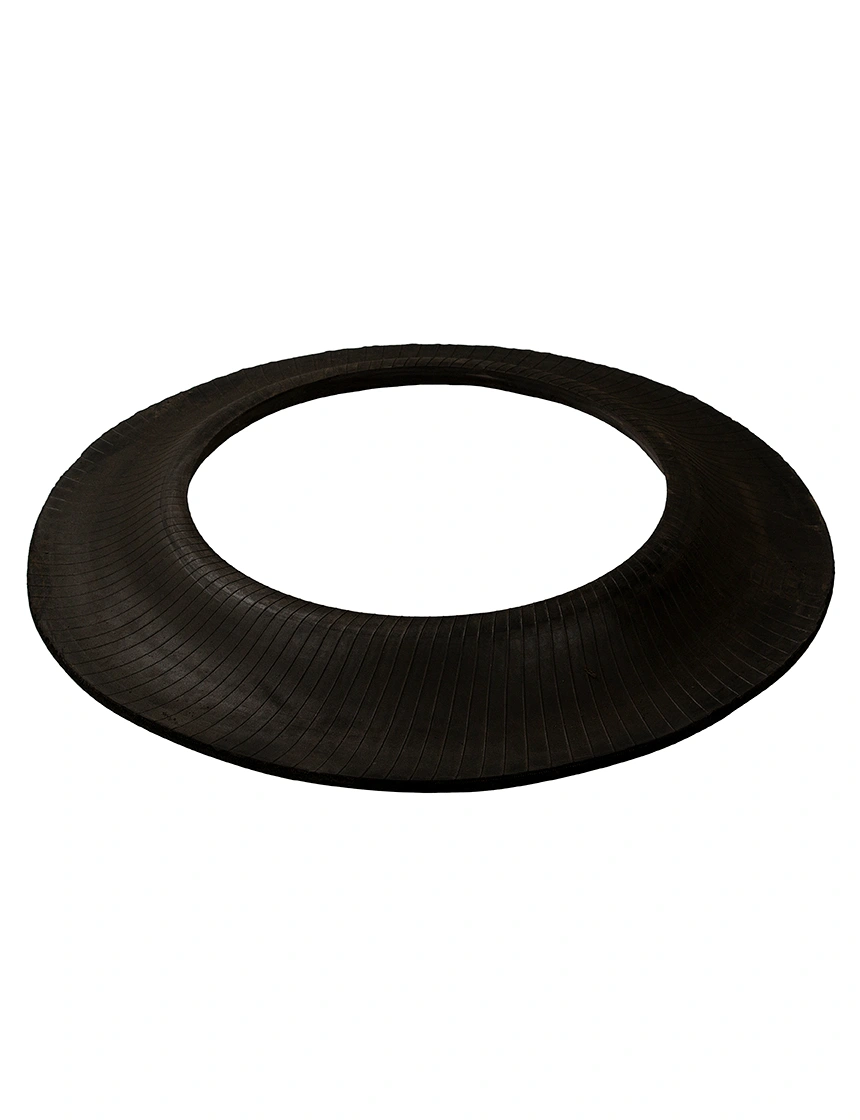
Plastic Drum with 6" Stripes and Rubber Base
Drum dimensions: 37-inches tall with a 23-inch diameter base. Our traffic barrels exceed standard safety dimensions and are made from lightweight polyethylene while the hefty base is composed of recycled tires so no additional ballast is needed. The unique shape inhibits it from rolling into traffic. Ideal for high speed roadways and interstates. UV-resistant 6 inch orange and white reflective stripes of engineer grade, high-intensity and diamond grade sheeting. Type A or C flashing barricade lights can be top-mounted for added visibility. Exceeds Safety Standards: MUTCD; NCHRP crash test rating of 350
- 37" tall with a 23" diameter Recycled Tire Base
- Available w/ EG or HI Sheeting
- Drum Top: approx. 10 lbs each
- Weighted Base: approx. 22 lbs each