Sale
$119.65 $106.80

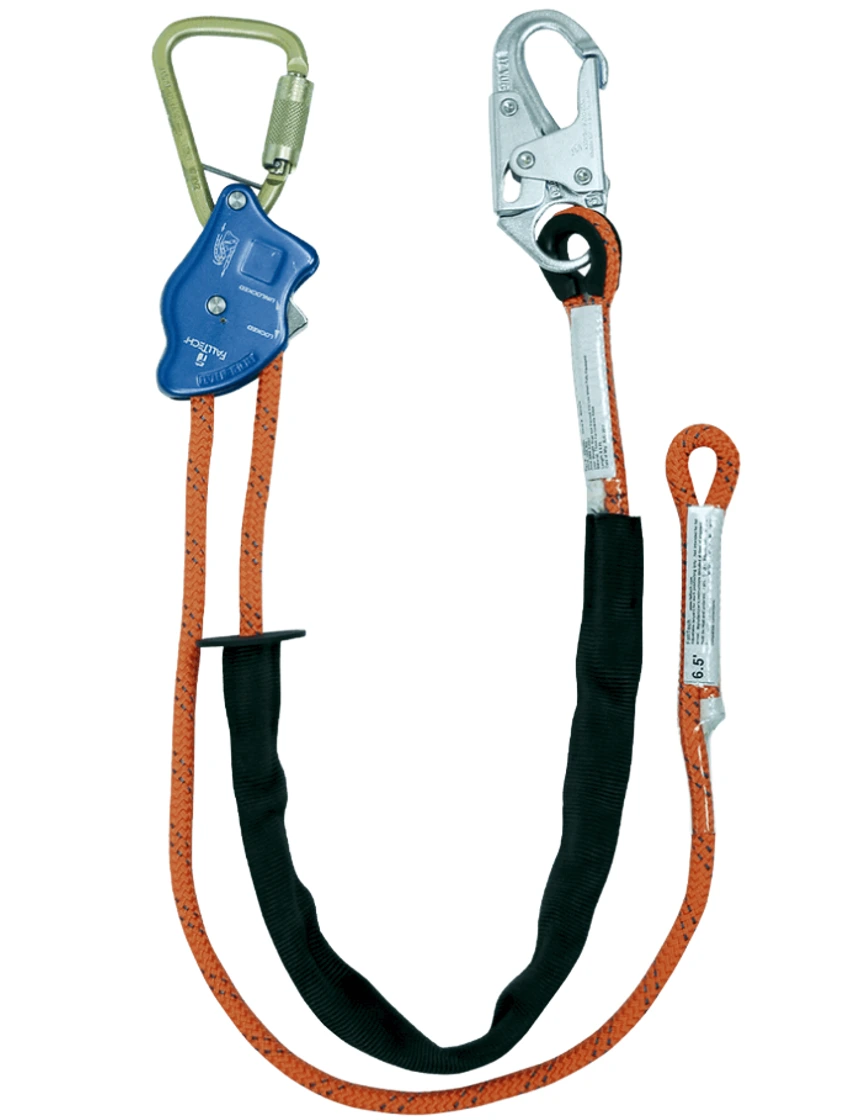
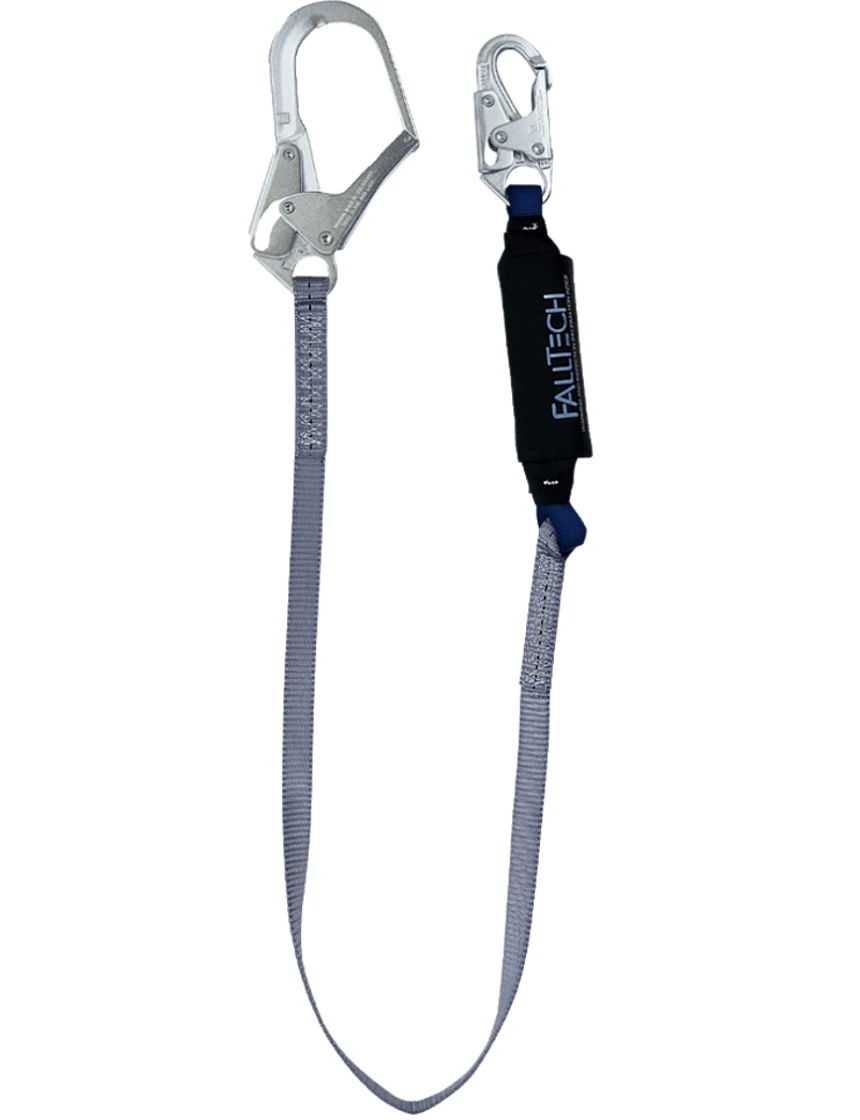
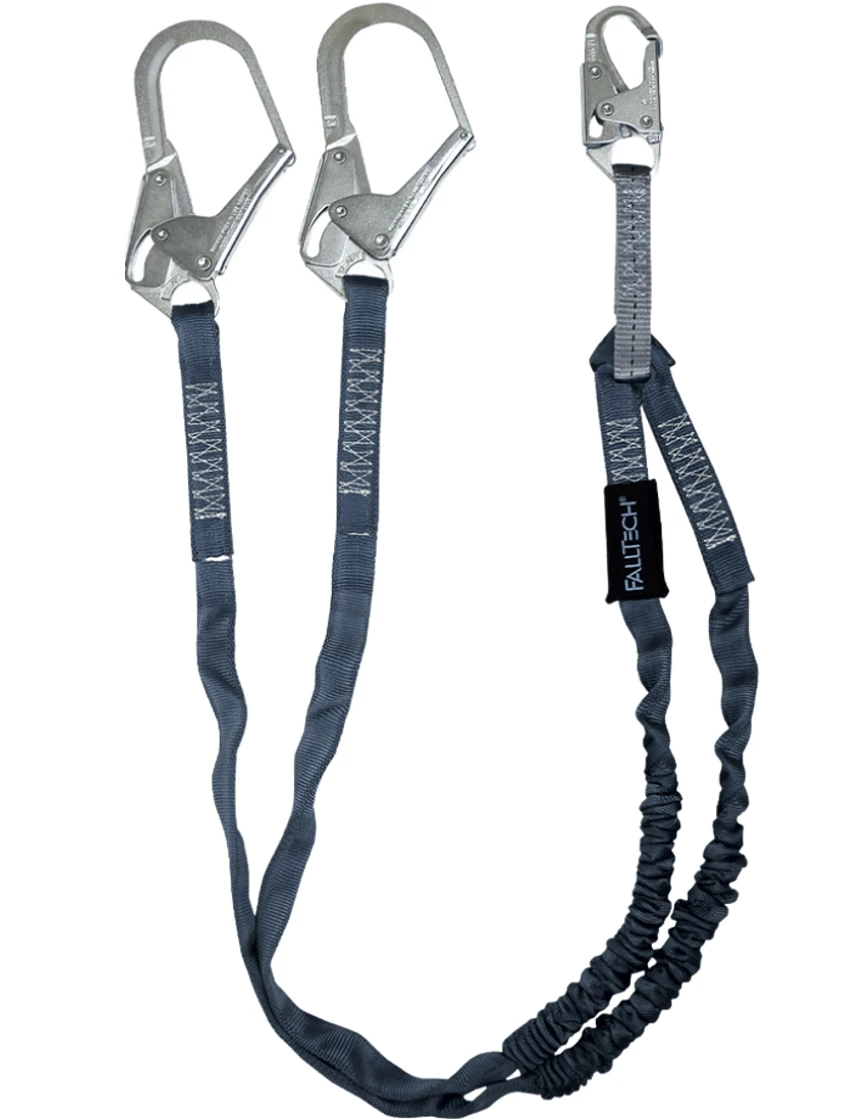
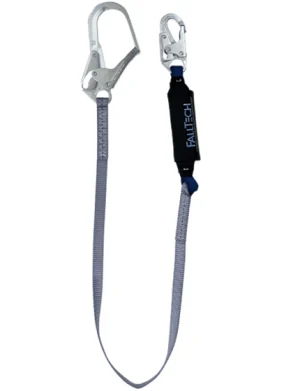
Secure your crew with our high-strength, OSHA and ANSI-compliant Fall Protection Lanyards. Engineered from heavy-duty web, chain, and rope materials, our industrial safety lanyards provide a critical link between web harnesses and anchorage connectors to effectively control deceleration and reduce impact forces during a fall event. We stock seven (7) field-proven configurations—including internal shock absorbing lanyards, twin-leg varieties for continuous 100% tie-off, adjustable restraint links, and premium rebar positioning chain assemblies.
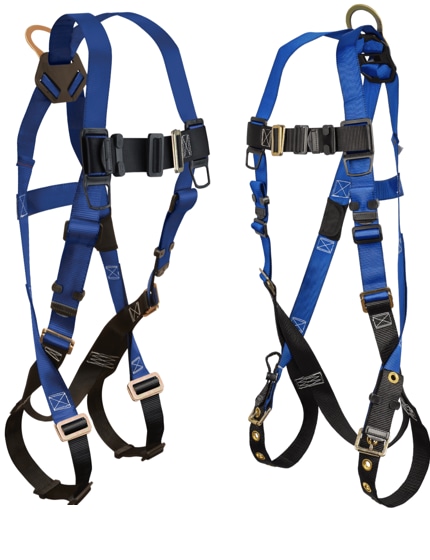
Featuring integrated visual fall indicators, heavy-duty steel snap hooks, and triple-lock connectors, our safety lanyards for construction ensure reliable connection stability across high-elevation jobsites and tower climber applications. Pair these units with our comprehensive collection of Full Body Safety Harnesses to establish a fully compliant fall arrest matrix. Every configuration listed is In Stock and Ships Same Day.
Economical & Safe
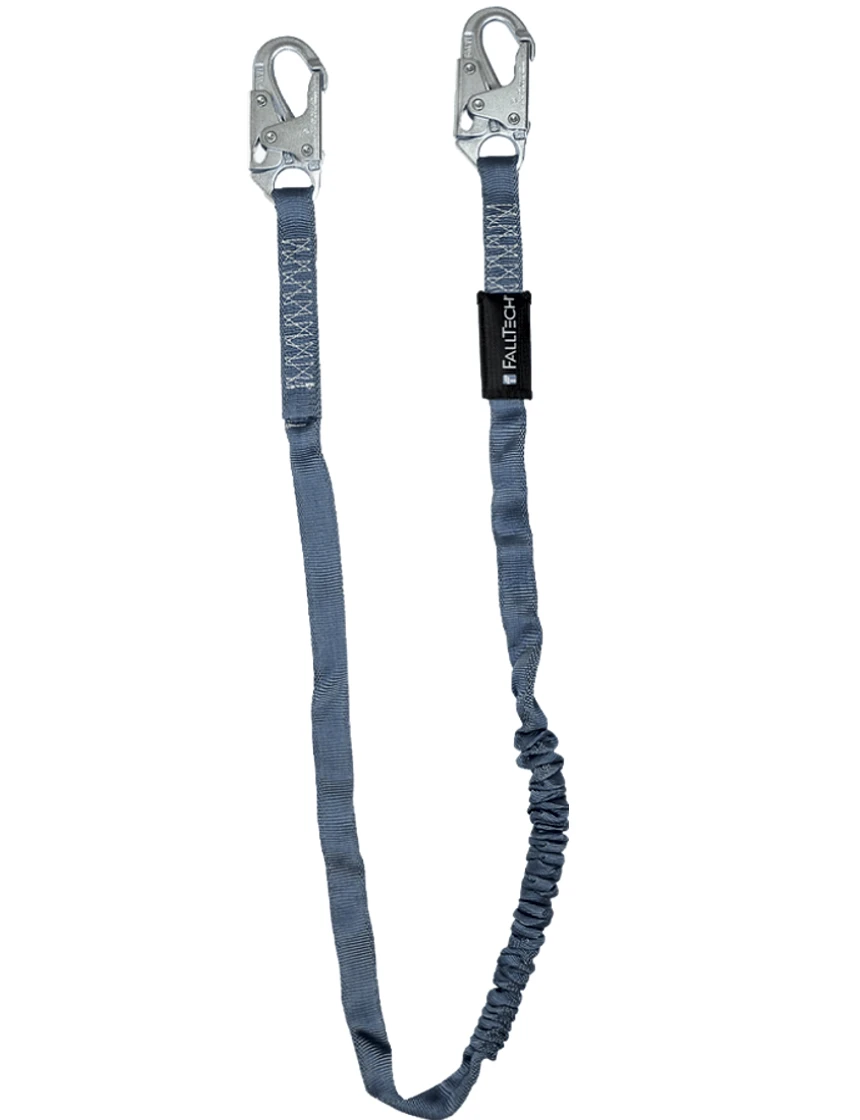
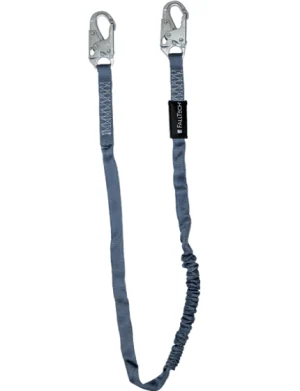
Visual Fall Indicator built in
Economical & Safe
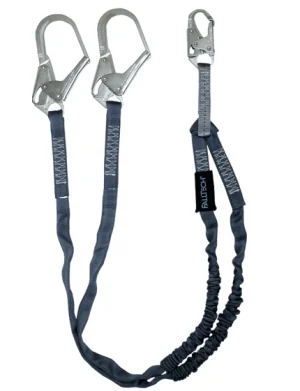
Visual Fall Indicator built in
Double Leg for uninterrupted tie-off
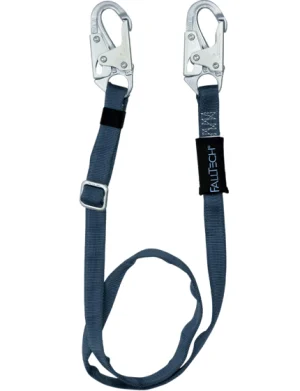
Economical & Safe
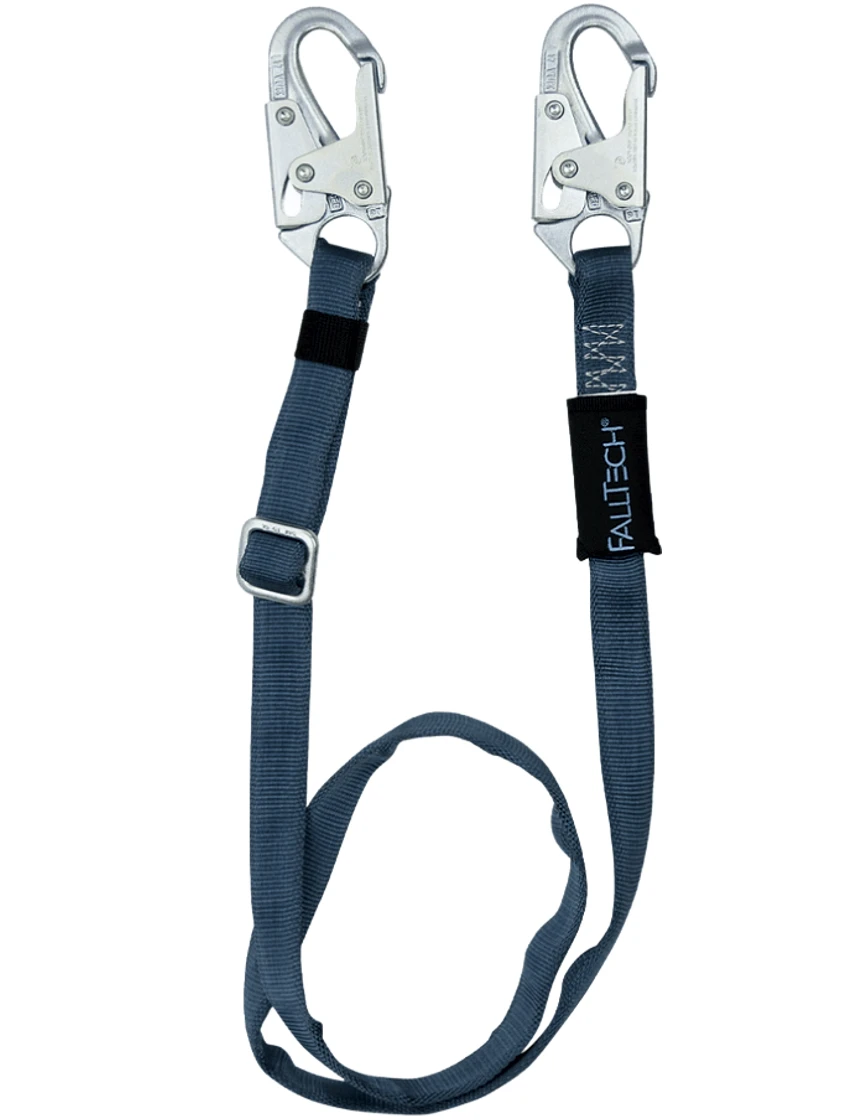
Adjustable for precise control
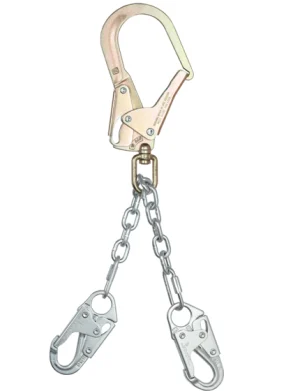
For positioning applications
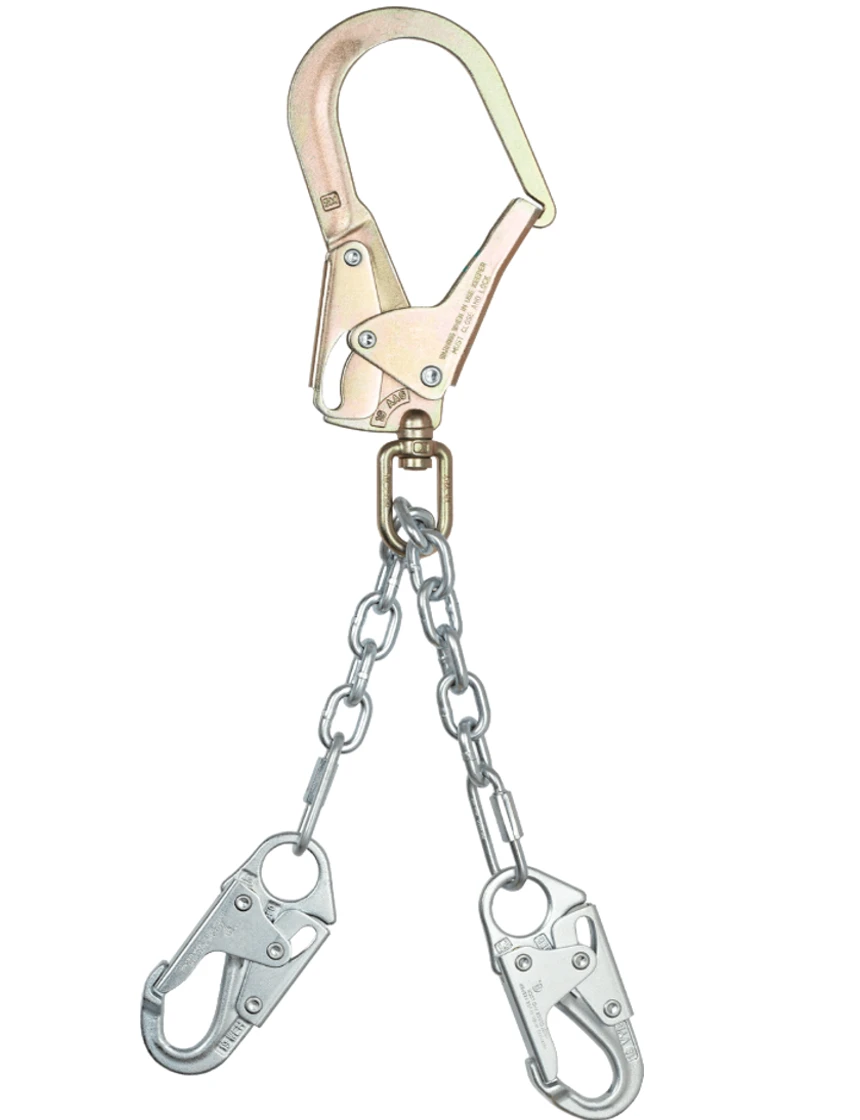
Swivel rebar hook
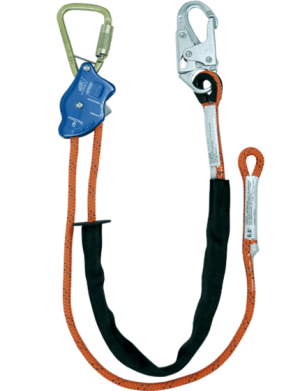
Auto-locking rope adjuster for one-handed operation
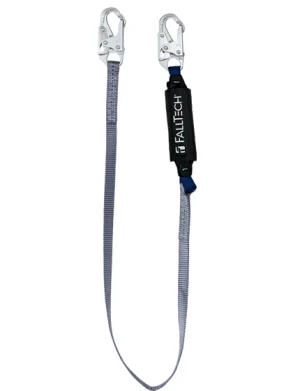
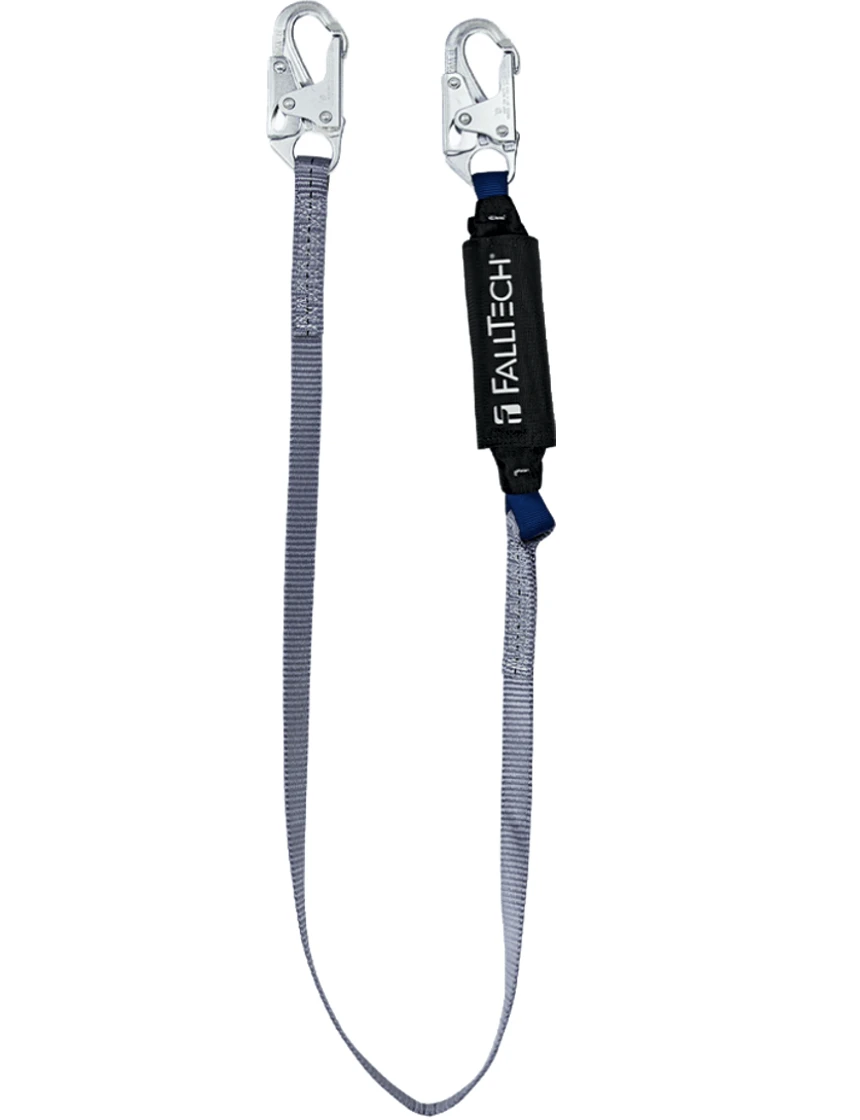
Patented ViewPack® Cover with Inspection Window
Patented ViewPack® Cover with Inspection Window
Rebar hook
When configuring a personal fall arrest system (PFAS), the fall protection lanyard acts as your critical deceleration link. Connecting directly from a worker’s dorsal D-ring to an anchor point, safety lanyards are engineered to stretch or tear internally to dissipate dangerous kinetic energy during a fall event. Sourcing the wrong length, material, or weight tier can lead to serious compliance failures and elevated strike-risk potentials.
This comprehensive overview breaks down single vs. twin-leg safety configurations, OSHA restraint regulations, and proper jobsite inspection parameters to help your managers maintain elite workplace safety standards.
Lanyards are fundamentally split into two distinct functional categories based on their design requirements:
Selecting the correct connecting device requires auditing your specific task parameters, anchor locations, and workspace configurations:
| Lanyard Type | Primary Application Zone | Key Advantage |
|---|---|---|
| Single-Leg Shock Absorber | Standard elevated platforms and structural work where clear space permits. | Lightweight, highly economical fall protection. |
| Twin-Leg (Double) Lanyards | Scaffolding, tower climbing, and steel erection requiring vertical travel. | Provides 100% continuous tie-off while transitioning between anchor points. |
| Adjustable Length Restraint | Roofing zones and flat platforms with close-proximity edge profiles. | Locks worker travel to prevent reaching the drop hazard completely. |
| Premium Rebar Assemblies | Concrete wall forms, rebar tying, and vertical positioning wall systems. | Heavy-duty chain construction keeps hands free for industrial placement tasks. |
A standard 6-foot shock-absorbing lanyard requires significant clearance below the working platform to function safely. Safety managers must always account for free-fall distance (6 feet), deceleration distance (typically 3.5 to 4 feet of web expansion), worker height, and a critical safety buffer to ensure absolute clear space before an impact could occur.
Per OSHA 29 CFR 1926.502 regulations, any lanyard involved in fall arrest must minimize maximum arresting force to safe thresholds, use auto-locking snap hooks, and be immediately removed from active duty following any fall acceleration event until checked by a competent individual.
To maintain complete regulatory safety compliance, crews must examine all connecting hardware prior to every work shift:
A professional safety lanyard is only effective when correctly matched to a top-tier anchor point and a correctly fitted Full-Body Safety Harness. Sourcing your safety configurations together reduces system errors and simplifies jobsite training. By emphasizing mandatory daily pre-shift checks and maintaining clear inventory logs, safety coordinators can safeguard elevated teams while meeting strict compliance targets.
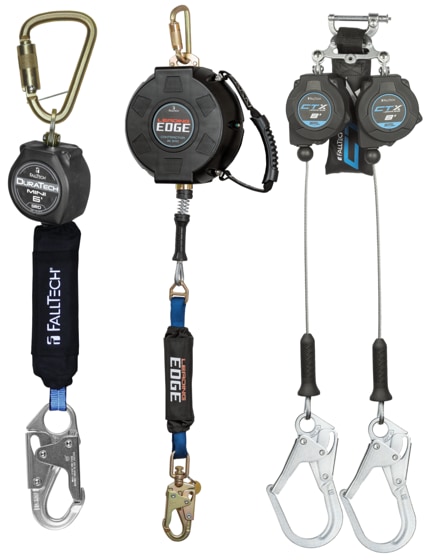
Nine (9) models to choose from!
Fifteen (15) versions to choose from
Eleven (11) types of anchors to choose from
Choose 150' or 300' version
Three (3) kits to choose from to suit your needs
Choose 2 or 4 person rope